- Home
- About Us
- Products
- Control Panel
- Power Distribution Box
- Power Distribution Panel
- Electrical Control Panel
- Motor Control Center Panel
- VFD Control Panel
- Power Control Center Panels
- Variable Frequency Drive Panel
- Cold Chain MCC Panel
- Low Tension Panels
- Electrical Switchgear Control Panel
- Automatic Power Factor Control (APFC) Panels
- Motor Control Centre (MCC) Panels
- Power Factor Correction Panel
- Water Treatment Plant Panel
- DG Synchronization Panel
- Star Delta Starter Control Panel
- Feeder Pillars Panel
- Electrical MCC Panel
- Automatic Control Panel
- Fully Automatic Electrical Control Panel
- Three Phase Control Panel
- Automatic Electric Control Panel
- Feeder Pillar Box
- Single Phase Power Distribution Panel
- Automation Control Panel
- Auto Transformers Starter
- Boiler Control Panel
- Industrial Power Control Center Panel
- Control Desk Panel
- Temperature Scanner
- Distribution Panel
- Synchronized AMF Panel
- Ccms Street Light Control Panel
- VCB Panel
- HT Panels
- LT Panels
- PLC Panels
- MCC Panels
- Electric Control Panel
- HMI Control Panel
- LT Distribution Box
- LT Distribution Boxes
- Industrial Electrical Control Panel
- Star Delta Motor Control Panel
- MCC CUM AC Drives Panel
- Single Phase Control Panel
- Drawout MCC Enclosures
- Change Over Panel
- Water Pump Control Panels
- Power Control Center Panel
- Soft Starter Panel
- Three Phase Feeder Pillar Panel
- Cold Store MCC Panel
- Industrial MCC Panels
- Remote Control Panels
- Main LT Control Panel
- ACB Distribution Panel
- DOL Starter Control Panel
- Meter Panel Board
- High Tension Panel
- Three Phase HT Panels
- Instrument Control Panels
- Drive Panels
- Drive Panel
- Capacitor Panel
- Electrical Panels
- HT Panel
- Auto Transformer Starter Panel
- VFD Panel
- Generator Control Panel
- Load Break Switch Panel
- Drawout Panel
- Thyristor Control Panel
- Servo Cable
- LXM26 Servo Cable
- Schneider Servo Cable VW3M8102R50
- Schneider Servo Cable VW3M5105R50
- Schneider Servo Cable VW3M5104R50
- Schneider Servo Cable VW3M8102R30
- Schneider Servo Cable VW3M5101R30
- Schneider Servo Cable VW3M5101R50
- Schneider Servo Cable VW3M5102R50
- Schneider Servo Cable VW3M8102R100
- Schneider Servo Cable VW3M5103R50
- Schneider Servo Cable VW3M5100R50
- Schneider Servo Cable VW3M5101R100
- Servo Cable & Encoder Cable & Cantap
- LXM23 Servo Cable
- Circuit Breaker
- Programmable Logic Controller
- Schneider PLC, TM200, TM241, TM262, TM221, M340, M580, TM172
- Schneider Modicon M340 PLC
- Schneider Modicon M238 PLC
- Schneider Modicon M258 Plc
- Schneider Modicon M262 Logic Controller
- Schneider Modicon M241 Logic Controller
- Schneider Modicon M251 Logic Controller
- Programmable Logic Controllers
- Schneider Modicon M171 / M172 Logic Controllers
- Proximity Sensor
- Plc Panel
- Pcc Panel
- Servo Drive
- Power Contactor
- Changeover Switch
- Variable Speed Drive
- Soft Starter
- Schneider Drives
- Amf Panel
- Plug And Socket
- Schneider EM6400NG+, Hexa Series, PM2000, EM1000, EM1200 Series
- Mccb
- Electrical Push Button & Control Station
- ACB
- Schmersal Limit & Safety Switch
- Havells HID MCCB
- Tesys Island
- RXM Schneider Electric Current Relay
- Schneider Limit Switch
- LXM16 Servo Cable
- Power Capacitor
- Motor Protection Circuit Breaker
- DC Drive Panel
- Cold Room Control Panel
- 750VA APC Uninterruptible Power Supply
- Smps Power Supplys
- Proface HMI
- APFC Panels
- Scada Development
- Sub Station
- LT Distribution Panels
- Electrical Control Panels
- PLC Control Panel
- Control Panel
- Updates
- Gallery
- Contact Us
LT Distribution Panel
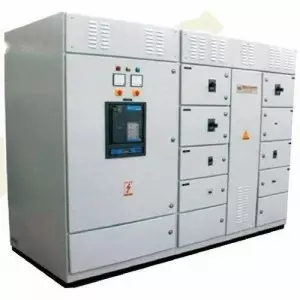
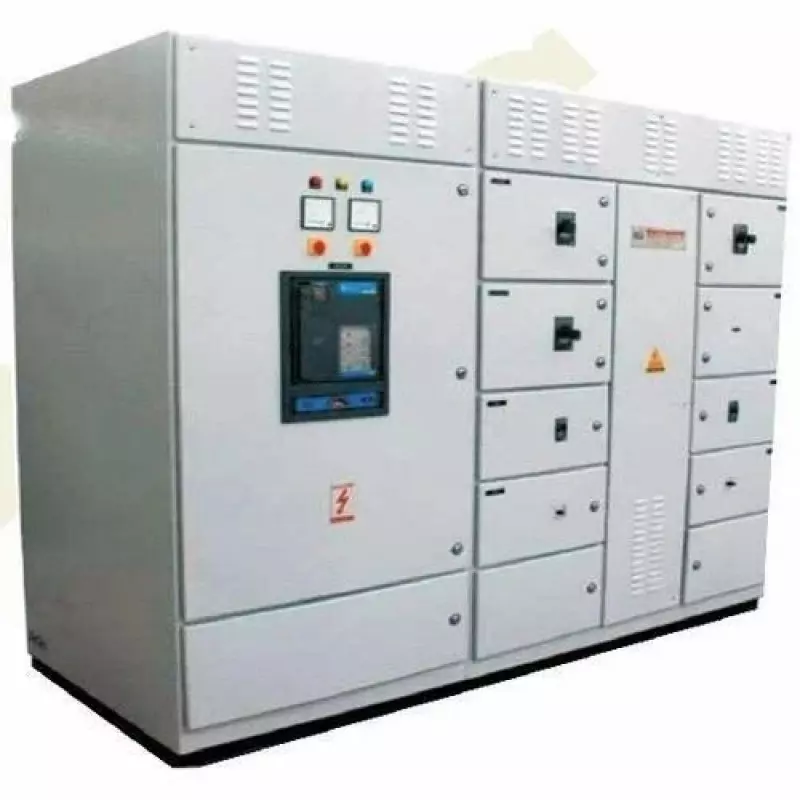
LT Distribution Panel Details
The LT Distribution Panel is regarded as the "central point" of all low voltage distribution networks. In essence, this location is where every outgoing feeder, all protection decisions, and all maintenance activities will eventually get interconnection. To that end, the manufacturing of these panels begins with a load study, a fault level calculation, and an analysis of the actual operation of the facility rather than being solely dependent upon the drawings provided for assembly to be completed. This manufacturing methodology results in a panel that operates in a stable condition during normal continuous duty operations rather than simply operating in a steady-state condition during testing.
The internal structure of each panel features separate compartments to provide for safe routing and quick access to the components within the individual compartments during periods of maintenance or outage. As such, bus bars have been sized to reflect the actual loading that will be required during the normal operation of the panel, rather than theoretical load values. Additionally, proper heat dissipation, the ability of the distribution panel to withstand a short-circuit, and reliable breaker coordination all work to create a panel that will avoid nuisance tripping of breakers during the peak production cycle. There is sufficient area provided in each panel to accommodate future feeders for the same reason that many facilities will expand earlier than originally planned.
The wiring arrangement is organized, so troubleshooting time will be kept to a minimum. Depending on the needs of the project, protective devices, metering, and monitoring can be added. This Low Voltage Distribution Panel is suitable for use in manufacturing facilities, commercial buildings, utility businesses, and infrastructure projects that need an uninterrupted supply but do not need to look new.
Performance stays consistent with many years of use, maintenance stays predictable, and power flow is controlled. That is how we look at distribution panels as working assets, rather than simply boxes of parts.
Related Products
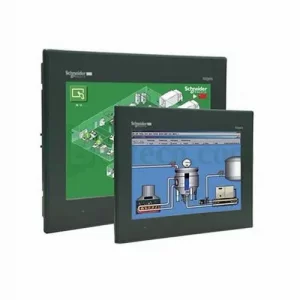
Schneider HMI
Schneider's Human-Machine Interface (HMI) solutions connect process and operator seamlessly with machine intelligence fo... Continue

Telemecanique Proximity Sensor & Limit Switch
The visual representations of movement feedback inside a machine appear very simple. However, on the manufacturing floor... Continue
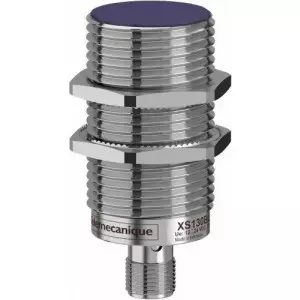
Schneider Sensor
The key to accurate modern automation lies in its sensing technology, and Schneider Sensors are designed and manufacture... Continue

Perfect Automation And Innovation LT Distribution Panel
The Power Distribution System is at the core of all industrial facilities; this LT Distribution Panel by Perfect Automat... Continue
APFC Panel
Utility companies use reactive power penalties as a revenue source; although they do not show up in the first month, the... Continue
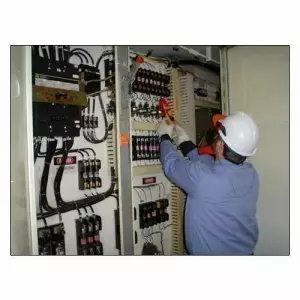
Electrical Contractor Service
The electrical contractor service we provide is designed with practical conditions in mind where planning, coordination,... Continue
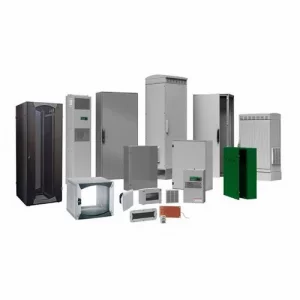
Schneider Enclosures
Industrial equipment often fails due to lack of equipment protection from dust, water, and mechanical damage, which can ... Continue
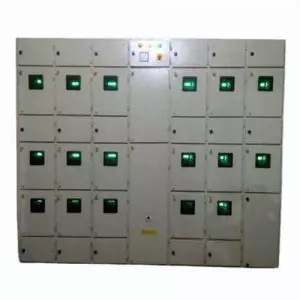
Electrical Panel
Real world conditions often cause power distribution systems to fail because of how they were constructed. Therefore, we... Continue